If your temperature gauge is climbing into the red or steam is rolling out from under the hood, you need to act fast. Engine overheating is one of the most common and most damaging problems a vehicle can experience, and Lansing drivers dealing with stop-and-go traffic or Michigan’s unpredictable summers are especially at risk.
At Jerry’s Automotive, our ASE Master Technicians have over 120 years of combined experience diagnosing and fixing cooling system problems on most makes and models. We’ll walk you through the most common causes of engine overheating, what you should do when it happens, and how to prevent it from happening again.
How Your Car's Cooling System Keeps the Engine Safe
Before we get into what goes wrong, it helps to understand how the cooling system works in the first place. Your engine generates an enormous amount of heat every time it runs. The cooling system’s job is to absorb that heat and move it away from the engine before temperatures reach a dangerous level.
The Parts That Make It All Work
Your cooling system is made up of several components that work together in a continuous loop:
- Radiator: The radiator sits at the front of your vehicle and uses airflow to cool the hot coolant that flows through it. Think of it as the main heat exchanger for your engine.
- Water pump: This pump circulates coolant through the engine block, into the radiator, and back again. Without it, coolant just sits in place and the engine overheats quickly.
- Thermostat: A valve that opens and closes based on engine temperature. It keeps coolant in the engine until it reaches operating temperature, then opens to allow flow to the radiator.
- Coolant (antifreeze): The fluid that absorbs heat from the engine and carries it to the radiator. It also prevents freezing in Michigan winters and protects against corrosion.
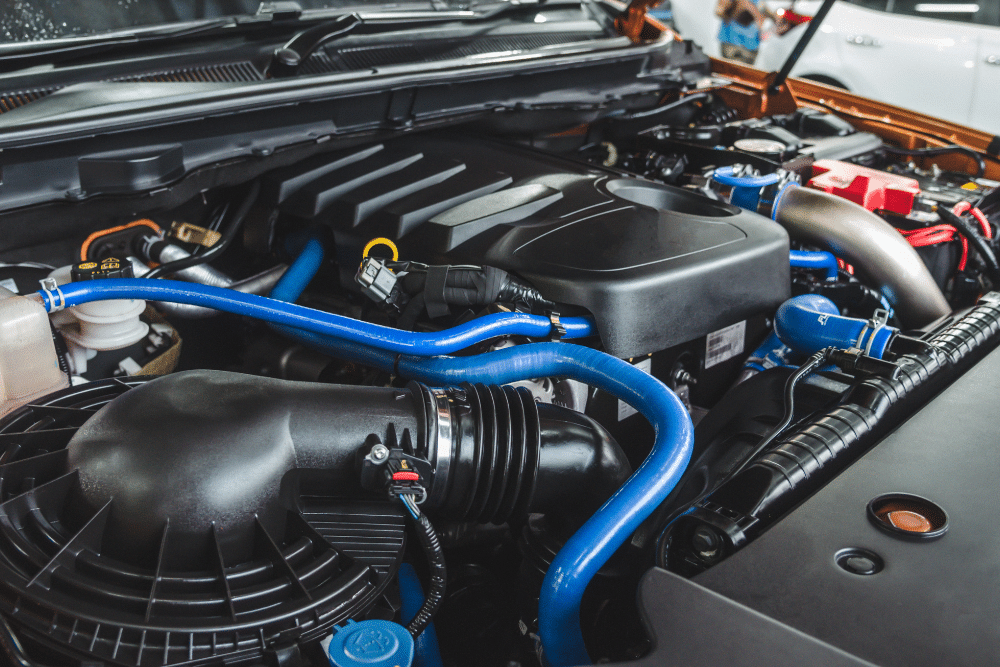
- Hoses and connections: Rubber hoses carry coolant between the engine, radiator, and heater core. Over time, these can crack, swell, or develop leaks.
- Radiator fan: Pulls air through the radiator when the vehicle is idling or moving slowly, like sitting in traffic on Saginaw Street.
When every part is doing its job, your engine stays at a safe operating temperature around 195 to 220 degrees Fahrenheit. When something fails, heat builds up fast.
Common Causes of Engine Overheating in Lansing
Engine diagnosis starts with understanding what’s most likely to fail. Here are the issues we see most often at Jerry’s Automotive when drivers bring in an overheating vehicle.
Low or Leaking Coolant
This is the number one cause of overheating. If your coolant level drops below where it needs to be, there’s simply not enough fluid to absorb and transfer heat away from the engine. Leaks can happen at hose connections, the radiator itself, the water pump gasket, or even internally through a blown head gasket. You might notice a sweet smell under the hood, green or orange puddles under the car, or a low coolant warning light on the dash.
Failed Thermostat
A thermostat that’s stuck closed traps hot coolant inside the engine and blocks flow to the radiator. This causes temperatures to spike rapidly. Thermostats are relatively inexpensive parts, but a failed one can cause serious engine damage if it’s not caught in time.
Water Pump Failure
The water pump is what keeps coolant circulating. When the pump’s impeller wears down or the bearing fails, coolant stops moving through the system. If you hear a whining or grinding noise coming from the front of your engine, or notice coolant dripping from the small drain hole on the water pump, those are signs the pump may be on its way out.
Radiator Problems
A clogged or damaged radiator can’t cool the fluid passing through it. Over time, mineral deposits, rust, and debris build up inside the radiator’s tubes and reduce its ability to transfer heat. External damage from road debris or a minor fender bender can also compromise the radiator’s fins and airflow.
Radiator Fan Malfunction
If your car overheats mostly at low speeds or while idling but cools down on the highway, the radiator fan is a likely suspect. Electric fan motors burn out, fan relays fail, and temperature sensors that trigger the fan can go bad. Without the fan pulling air through the radiator, there’s not enough cooling at low speeds.
Blown Head Gasket
This is the one every driver dreads. A blown head gasket allows coolant to leak into the combustion chamber or mix with engine oil. Signs include white smoke from the exhaust, milky residue on the oil cap, and persistent overheating even after topping off coolant. This is a serious engine repair that requires immediate professional attention.
What to Do When Your Car Overheats in Ingham County Traffic
If your temperature gauge spikes while you’re stuck in traffic on MLK Boulevard or crawling through a construction zone near Holt, don’t panic. Here’s how to handle it safely:
- Turn off the A/C and turn on the heater. This sounds counterintuitive, but the heater core acts as a small secondary radiator. Running the heat pulls warmth away from the engine.
- Pull over safely as soon as possible. Get off the road and into a parking lot. Don’t keep driving and hope it cools down on its own. That’s how cracked heads and warped engine blocks happen.
- Do not open the radiator cap. The system is under pressure and the coolant is extremely hot. Opening the cap can cause boiling coolant to spray out and cause severe burns. Wait at least 30 minutes for things to cool down.
- Check the coolant level once cool. If you can see the reservoir, check the level. If it’s empty or very low, that’s a strong indicator of a leak somewhere in the system.
- Call a professional. If the engine overheated severely, it’s best not to restart and drive. Have the vehicle towed to avoid risking further engine damage.
At Jerry’s Automotive, we know an overheating car can throw off your entire day. That’s why we offer loaner vehicles and a shuttle service so you’re not stranded while we get your car back to running right.
Dealing with an overheating engine? Don’t risk further damage. Visit us at Jerry’s Automotive, 5544 S Martin Luther King Jr Blvd, Lansing, MI 48911, or call 517-393-7240 to schedule your engine diagnosis today.
Radiator Repair in Lansing: When to Repair vs. Replace
Radiator repair in Lansing is one of the most common fixes we handle for overheating issues. But not every radiator problem calls for the same solution.
| Radiator Repair | Radiator Replacement | |
|---|---|---|
| Best for | Minor leaks at tanks, end caps, or small pinhole leaks in the core | Heavy corrosion, multiple leaks, or internal tubes clogged with scale and debris |
| Ideal vehicle | Older vehicles where the owner wants more life without a major investment | Any vehicle where long-term reliability and full cooling capacity matter most |
| Longevity | Shorter-term fix; may need revisiting if additional leaks develop | Long-term solution that restores full performance and eliminates repeat failures |
| Cost | Lower upfront cost | Higher upfront cost, but better value over time |
| Michigan factor | May not hold up as well against ongoing road salt and freeze-thaw cycles | New aluminum and plastic construction handles Lansing's road salt and seasonal swings |
| Bottom line | A practical short-term option when the damage is minor and isolated | The smarter long-term call when the radiator has widespread wear or repeated issues |
We’ll always give you an honest assessment and help you weigh the pros and cons. That’s just how we do things at Jerry’s Automotive.
Cooling System Flush: Preventative Maintenance That Prevents Overheating
A cooling system flush is one of the best things you can do to prevent overheating before it ever happens. Over time, your coolant breaks down and loses its ability to protect against corrosion and regulate temperature. Contaminants like rust, scale, and old additives build up and restrict flow through the radiator and heater core.
The Cooling System Flush
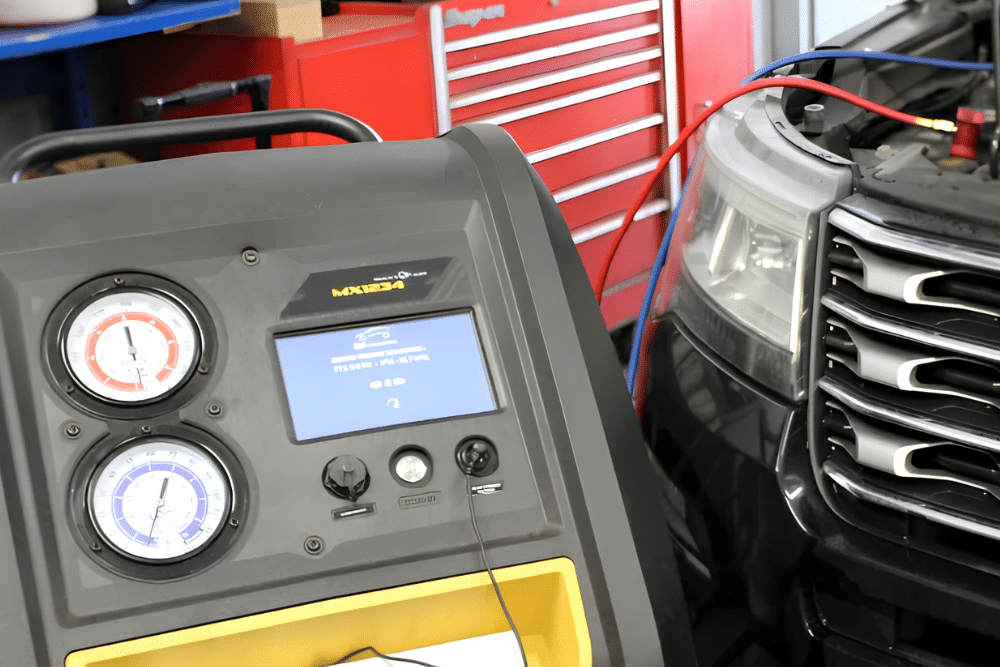
During a flush, the old coolant is completely drained from the system. A cleaning solution is run through the engine, radiator, and heater core to remove deposits and buildup. Then the system is refilled with fresh coolant that meets your vehicle manufacturer’s specifications. Most manufacturers recommend a cooling system flush every 30,000 to 50,000 miles or every 3 to 5 years. If you drive in extreme conditions, tow heavy loads, or have an older vehicle, more frequent flushes are a good idea.
Hose and Belt Inspections
Rubber hoses and drive belts deteriorate over time, especially through Michigan’s hot summers and freezing winters. Cracked hoses, soft spots, or a fraying serpentine belt can lead to sudden coolant loss or water pump failure. Having these checked during routine preventative maintenance catches weak points before they leave you on the side of the road.
Thermostat and Coolant Level Checks
A sticking thermostat or a slow coolant leak can go unnoticed for months until the engine overheats. Regular inspections that include checking your coolant level, testing thermostat operation, and looking for early signs of leaks are a simple and straightforward way to avoid costly engine repair down the line.
Why Choose Jerry's Automotive for Engine Repair and Cooling System Service
When your car is overheating, you need a shop that’s going to find the real problem, fix it right, and make sure it doesn’t come back. That’s been our approach since Jerry’s Automotive first opened its doors in 1965, and it’s what keeps Lansing families trusting us with their vehicles generation after generation.
Here’s why drivers across Lansing, East Lansing, Okemos, and Holt count on us:
- Third-generation family ownership: We’ve been part of the Lansing community for over 60 years. We’re not just fixing cars. We’re building relationships with the families who drive them.
- ASE Master Technicians: Our technicians hold ASE Master certifications, which means they’ve demonstrated expertise across all major vehicle systems, including cooling and engine repair.
- 5-year/50,000-mile warranty: We back our repairs with one of the strongest warranties you’ll find. It’s our way of proving we stand behind every job.
- Auto Flow Digital Vehicle Inspections: We use Auto Flow DVI to send you photos and videos of what we find during your inspection. You’ll see exactly what’s going on before we do any work. That’s transparency you can trust.
- NAPA Auto Care Gold Center with A+ BBB Rating: These aren’t just badges on the wall. They represent a commitment to quality parts, expert service, and honest business practices.
- Loaner cars and shuttle service: We make sure a car repair doesn’t derail your whole day. Borrow a loaner or hop on our shuttle while we take care of your vehicle.
Our mission has always been offering quality automotive repair with honesty and integrity, and that’s exactly what you’ll get every time you walk through our door.
FAQs About Engine Overheating and Cooling System Repair
What to do if car overheats in traffic?
Turn off the A/C, turn on the heater to pull heat away from the engine, and safely pull over as soon as possible. Do not open the radiator cap while the engine is hot. Let it cool down, check your coolant level, and call a professional if the temperature doesn’t come back to normal.
Can low coolant cause overheating?
Yes, low coolant is the most common cause of engine overheating. Without enough fluid in the system, the engine can’t transfer heat to the radiator effectively. If your coolant is low, it likely means there’s a leak that needs to be found and repaired.
Is it safe to drive an overheating car?
No. Driving an overheating vehicle can cause serious and expensive damage, including a warped cylinder head, cracked engine block, or blown head gasket. Pull over and let the engine cool down. Have the car towed to a repair shop if the temperature doesn’t drop.
What causes a car to overheat in traffic?
Cars overheat in traffic because there’s not enough airflow passing through the radiator at low speeds. If the radiator fan, thermostat, or coolant level aren’t working properly, the system can’t compensate. Stop-and-go driving puts extra demand on the cooling system.
How much does it cost to fix an overheating car?
Repair costs vary widely depending on the root cause, from a simple coolant service to more involved repairs like a water pump or head gasket replacement. A proper diagnosis is always the best first step so you know exactly what your vehicle needs.
Schedule Your Engine Diagnosis and Cooling System Service in Lansing Today
An overheating engine isn’t something you can afford to ignore. Whether you need a cooling system flush, radiator repair, or full engine diagnosis, Jerry’s Automotive is the trusted shop near you in Lansing, and we back every repair with our 5-year/50,000-mile warranty.
Visit us at 5544 S Martin Luther King Jr Blvd, Lansing, MI 48911, or call 517-393-7240 to schedule your service today. We’re proud to serve drivers across Lansing, East Lansing, Holt, Okemos, and throughout Ingham County.