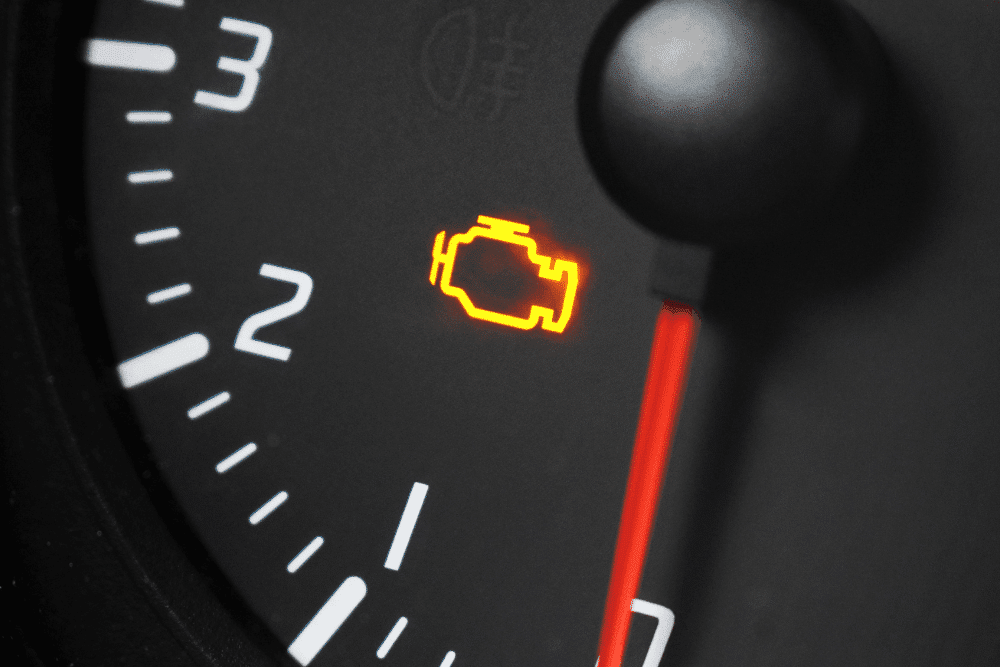
Winter is just around the corner, and now’s the time to ensure your vehicle’s fluids are ready for the cold months ahead. At Jerry’s Automotive in Lansing, MI, we know that proper fluid service is one of the most important steps you can take to protect your car from winter’s harsh conditions. Cold weather puts extra stress on every fluid system in your vehicle, from your engine oil to your windshield washer fluid. When temperatures drop, fluids thicken, circulation slows, and your car has to work harder to stay protected.
In this guide, we’ll walk you through the essential fluids your vehicle needs, explain why each one matters during winter, and show you how to keep your car running smoothly all season long.
What Happens to Your Car's Fluids When Temperature Drops Below Freezing
Cold weather doesn’t just make your morning commute uncomfortable. It fundamentally changes how every fluid in your vehicle behaves. Think of it like honey: it flows easily when warm but becomes thick and sluggish when cold. Your car’s fluids react the same way.
The cold weather effect:
- Viscosity increases: Fluids become thicker and flow more slowly through your vehicle’s systems
- Chemical reactions slow down: Additives in fluids become less effective at protecting metal components
- Moisture contamination worsens: Water in fluids can freeze, causing blockages or damage
- Pressure changes: Cold fluids create extra strain on pumps and seals
This is why vehicles that run perfectly in summer can struggle or fail completely when temperatures plummet.
The Five Critical Fluids That Keep Your Vehicle Winter-Ready
| Fluid Type | Primary Function | Winter Risk | Service Interval |
|---|---|---|---|
| Engine Oil | Lubricates moving parts | Thickens, poor cold-start protection | Every 3,000–5,000 miles |
| Coolant/Antifreeze | Regulates engine temperature | Can freeze and crack engine block | Every 30,000 miles or 2 years |
| Brake Fluid | Transfers hydraulic pressure | Moisture contamination causes brake fade | Every 2–3 years |
| Transmission Fluid | Lubricates transmission components | Causes rough shifting and wear | Every 30,000–60,000 miles |
| Windshield Washer Fluid | Cleans windshield | Regular fluid freezes in lines | Replace with winter formula |
Engine Oil: Your First Line of Defense Against Winter Damage
Your engine oil is working overtime during winter. On a cold morning, your engine oil can be up to 10 times thicker than it is at normal operating temperature. When you turn the key, your engine needs immediate lubrication, but the oil is too thick to flow quickly.
Why Synthetic Oil Makes a Difference
Conventional oil contains wax molecules that solidify in extreme cold. Synthetic oil is engineered at a molecular level to maintain consistent viscosity across a much wider temperature range.
Benefits you’ll notice immediately:
- Faster engine starts: Your starter motor doesn’t have to work as hard
- Better fuel economy: Thin oil means less friction and resistance
- Superior protection: Critical engine parts get lubrication within seconds, not minutes
- Extended oil life: Synthetic oil resists breakdown better than conventional
The Cold Start Problem Most Drivers Don't Know About
Here’s something most people don’t realize: the majority of engine wear happens in the first 30 seconds after a cold start. During those critical moments, thick oil hasn’t reached all the moving parts yet. Metal grinds against metal. Fresh, high-quality oil is your insurance policy against this damage.
Coolant and Brake Fluid: Protecting Critical Safety Systems
Coolant: Preventing Engine Destruction
The term “antifreeze” is literal. Without proper coolant concentration, the water in your cooling system will freeze solid. When water freezes, it expands with tremendous force, enough to crack your engine block, split your radiator, or rupture your heater core.
Warning signs of degraded coolant:
- Coolant looks rust-colored or brown instead of bright green, orange, or pink
- Sweet smell coming from under the hood
- Temperature gauge reading higher than normal
- White residue around the radiator cap
Professional technicians use a refractometer to measure the exact freeze point of your coolant mixture. In Michigan, you want protection down to negative 40 degrees or lower. A coolant service involves draining the old fluid, flushing the system to remove contaminants, and refilling with fresh coolant at the precise mixture your vehicle needs.
Brake Fluid: The Safety System You Can't Afford to Ignore
Your brake fluid is hygroscopic, which means it pulls moisture out of the air. Over just two years, brake fluid can absorb 3% water by volume. That’s enough to cause serious problems.
Fresh brake fluid has a boiling point around 400 degrees Fahrenheit. With 3% water contamination, that boiling point drops to around 285 degrees. In winter, moisture in brake fluid can freeze at low temperatures, causing sluggish brake response or complete brake system failure.
What happens during a brake fluid flush:
- We remove the old, contaminated fluid from your entire brake system
- We inspect brake lines, calipers, and the master cylinder for damage
- We replace with fresh DOT 3 or DOT 4 fluid
- We bleed the system to remove all air bubbles
- We test brake pedal feel and response
Don’t risk brake failure this winter. Schedule your brake fluid service today by calling us at 517-393-7240 or visiting us at 5544 S Martin Luther King Jr Blvd, Lansing, MI 48911.
Transmission Fluid: Protecting Your Most Expensive Component
Your transmission contains hundreds of precisely machined parts working together. Transmission fluid lubricates these parts, helps dissipate heat, and provides the hydraulic pressure needed for smooth gear changes.
Transmission Problems in Cold Weather
- Delayed engagement: You shift into drive or reverse, but there’s a noticeable pause before the transmission responds
- Hard shifts: Instead of smooth transitions between gears, you feel clunks or jerks
- Slipping: The transmission momentarily loses power between shifts, accelerating wear on clutch packs
Check your owner’s manual for the recommended interval, but most vehicles need transmission fluid service every 30,000 to 60,000 miles. If you notice any of the symptoms above, don’t wait. Early service can prevent damage that leads to transmission replacement.
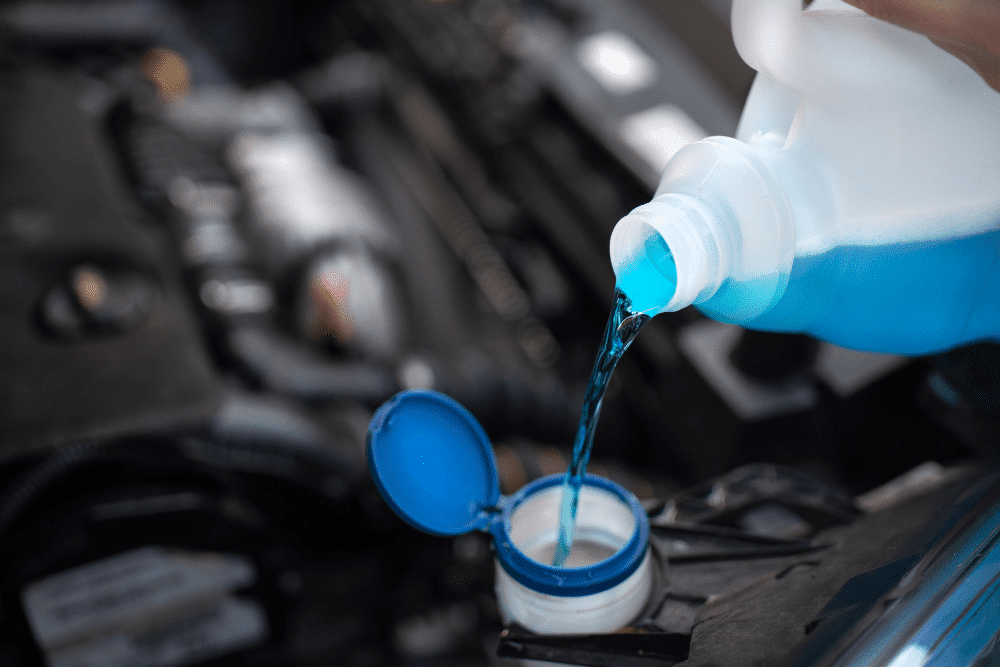
Windshield Washer Fluid: The Often-Forgotten Winter Essential
It sounds minor until you’re driving on I-96 during a snowstorm and a semi-truck sprays your windshield with salt, slush, and road grime. You hit the washer button and nothing happens because your fluid reservoir froze solid.
Summer vs. Winter Washer Fluid:
- Summer fluid: Freezes at around 32 degrees Fahrenheit, leaves streaks in cold weather
- Winter fluid: Protects down to negative 20 degrees or lower, contains alcohol to cut through ice
- De-icer fluid: Protects down to negative 40 degrees, melts ice on contact
Winter washer fluid isn’t just about freeze protection. The formula is designed to cut through road salt and prevent it from building up on your windshield.
Why Jerry's Automotive Is Your Partner for Winter Vehicle Preparation
Since 1965, Jerry’s Automotive has been a staple in the Lansing community. We’re a third-generation family-owned business, and we’ve built our reputation on honesty, integrity, and quality work. When you bring your vehicle to us, you’re not just another appointment. You’re a neighbor.
What sets us apart:
- ASE Master Tech certified technicians with over 120 years of combined experience
- NAPA Gold certification and A+ BBB rating
- 3-year/36,000-mile warranty on all repairs
- Auto Flow Digital Vehicle Inspections with photos and videos sent directly to your phone
- Loaner vehicles and shuttle service available for your convenience
We use Auto Flow Digital Vehicle Inspections to document the condition of every fluid in your car. You’ll receive photos and videos showing exactly what we find, so you can make informed decisions about your vehicle’s maintenance.
FAQs About Fluid Maintenance and Winter Vehicle Preparation
What fluids should I change before winter?
Before winter, you should change your engine oil, check your coolant concentration, flush your brake fluid if it’s been over two years, inspect your transmission fluid, and switch to winter-grade windshield washer fluid. These services ensure your vehicle is protected from freezing temperatures and performs safely in harsh conditions.
How often should I flush transmission fluid?
Most manufacturers recommend flushing transmission fluid every 30,000 to 60,000 miles, but always check your owner’s manual for specific intervals. Cold weather can accelerate transmission wear, so it’s important to stay on schedule with this service.
Why does cold weather affect car fluids?
Cold weather causes automotive fluids to thicken, which reduces their ability to flow and protect your vehicle’s systems. Thickened oil can’t lubricate as effectively, coolant can freeze without proper concentration, and brake fluid with moisture can cause sluggish braking response in freezing conditions.
Is a coolant flush the same as a radiator flush?
Yes, a coolant flush and a radiator flush are essentially the same service. Both involve draining old coolant, flushing the system to remove contaminants, and refilling with fresh coolant at the correct mixture to protect your engine from freezing and overheating.
Can I mix different types of coolant in my vehicle?
No, you should not mix different types of coolant without checking compatibility. Different coolant formulations can react with each other and form sludge or lose their protective properties. Always use the coolant type specified in your owner’s manual or consult with a professional technician.
Schedule Your Winter Fluid Service in Lansing, MI Today
Don’t wait until the first freeze to discover your vehicle isn’t ready for winter. Comprehensive fluid maintenance now can prevent costly breakdowns, extend your vehicle’s life, and give you peace of mind throughout the cold months ahead.
From oil changes and coolant flushes to brake fluid service and transmission fluid maintenance, Jerry’s Automotive has been keeping Lansing drivers safe since 1965. Our ASE-certified technicians provide thorough fluid inspections backed by our 3-year/36,000-mile warranty.
Visit us at Jerry’s Automotive, 5544 S Martin Luther King Jr Blvd, Lansing, MI 48911, or call us at 517-393-7240 to book your winter fluid service appointment. We proudly serve drivers in Lansing, Holt, Okemos, Dimondale, East Lansing, and throughout Ingham County. Let our family take care of yours this winter.